Alongside the Community Outreach Program (COP), Petra Christian University (PCU) also
implements the Service-Learning (SL) program, integrated into the curriculum of each Study
Program.
Developed by John Dewey (1938), SL is an educational approach that emphasizes
experiential learning. This method balances students' needs to apply what they have learned in
the classroom with hands-on practice in the field, collaborating with community groups to meet
their needs. Hence, SL can also be referred to as community service. Moreover, this program
aligns classroom learning and develops the students’ personalities.
Several steps taken in SL include preparation, planning, action, and reflection. During
the preparation phase, students are introduced to the SL project and its objectives, as well as
receive guidance and direction on the skills and knowledge required to contribute effectively to
the community service activities. In the planning process, students work with their instructors
and community partners to identify the issues or needs of the community they will address, set
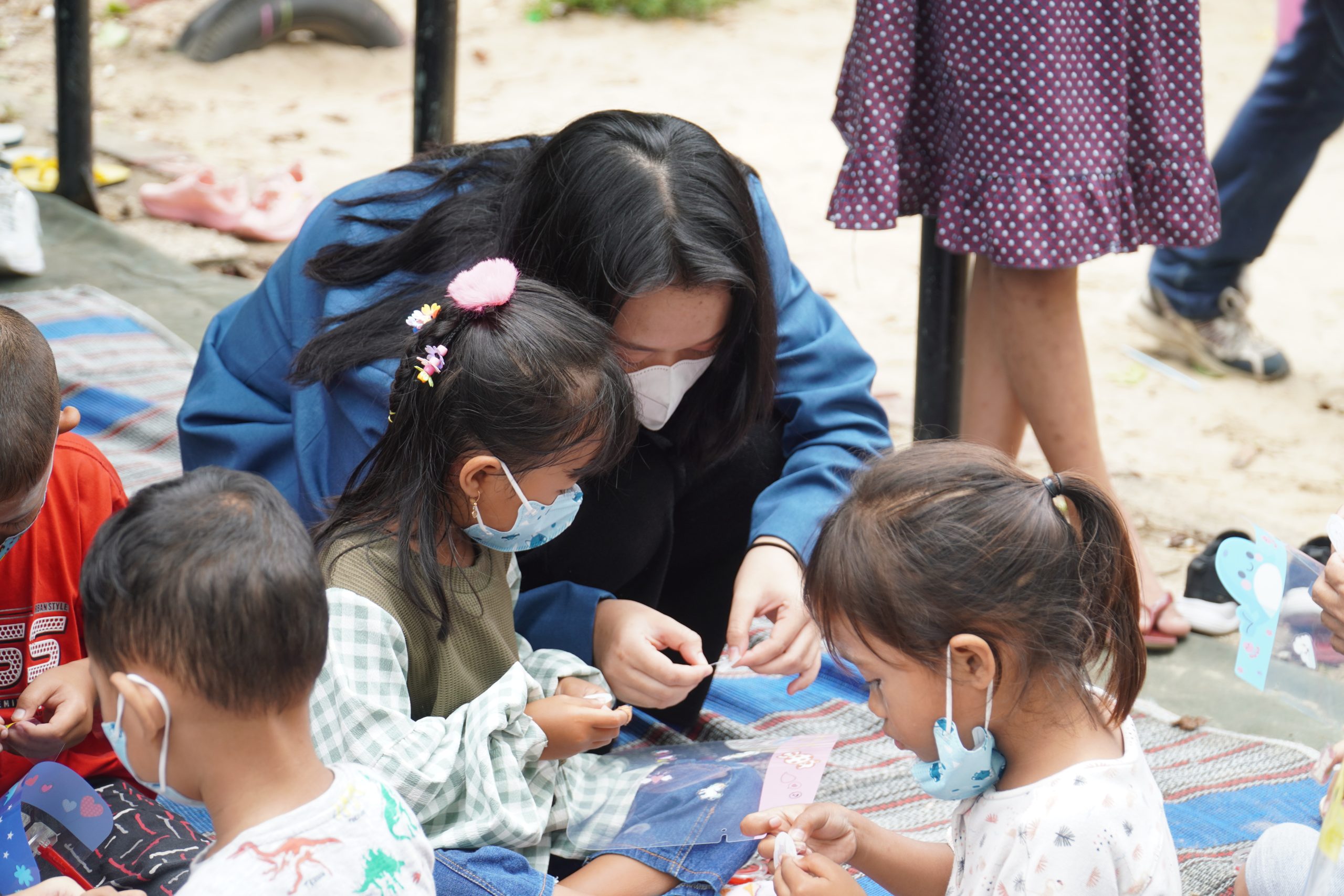
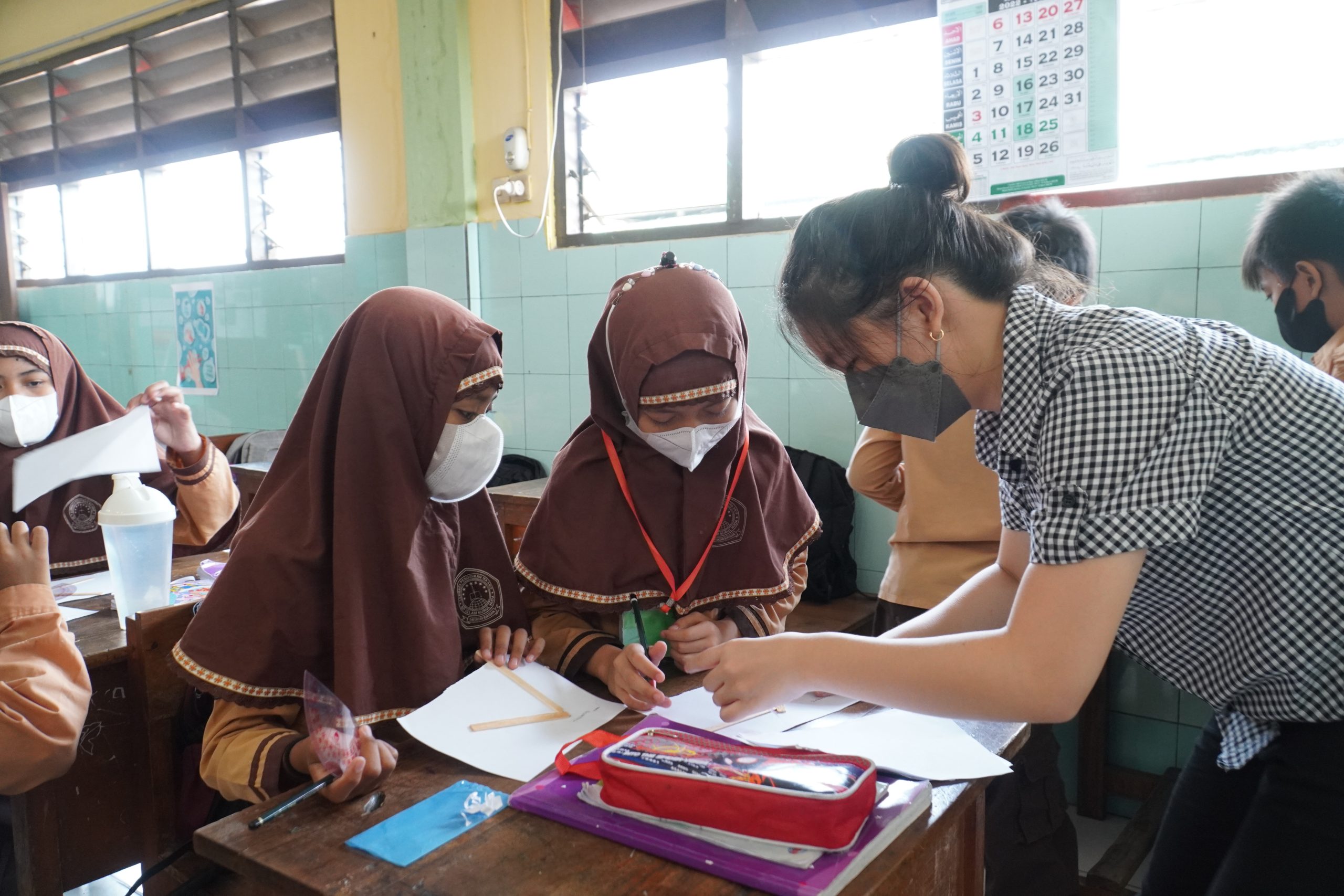
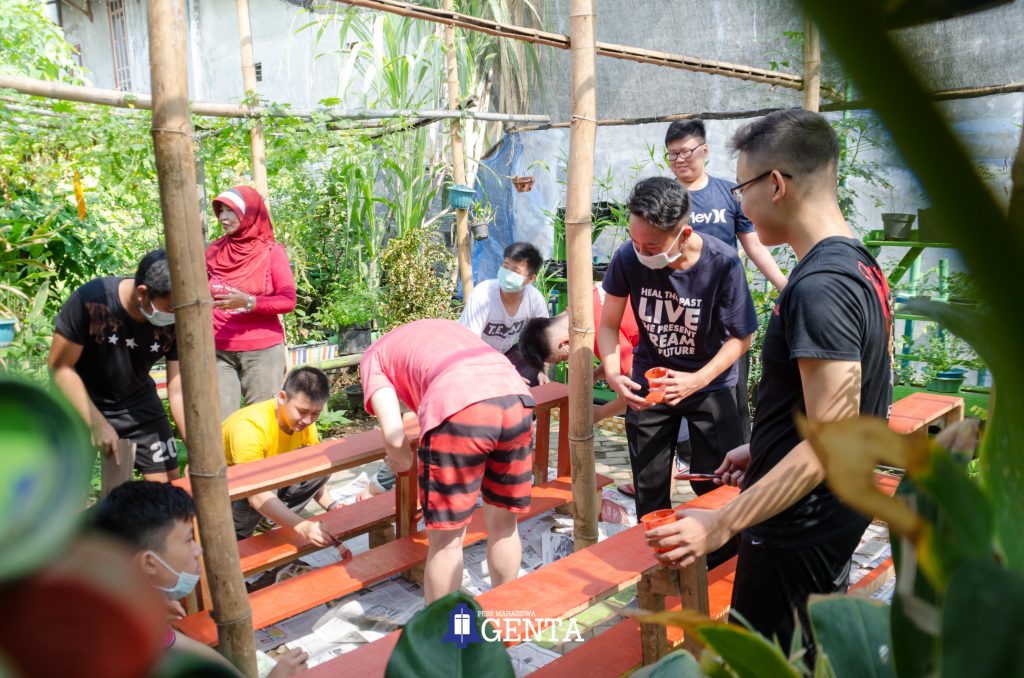
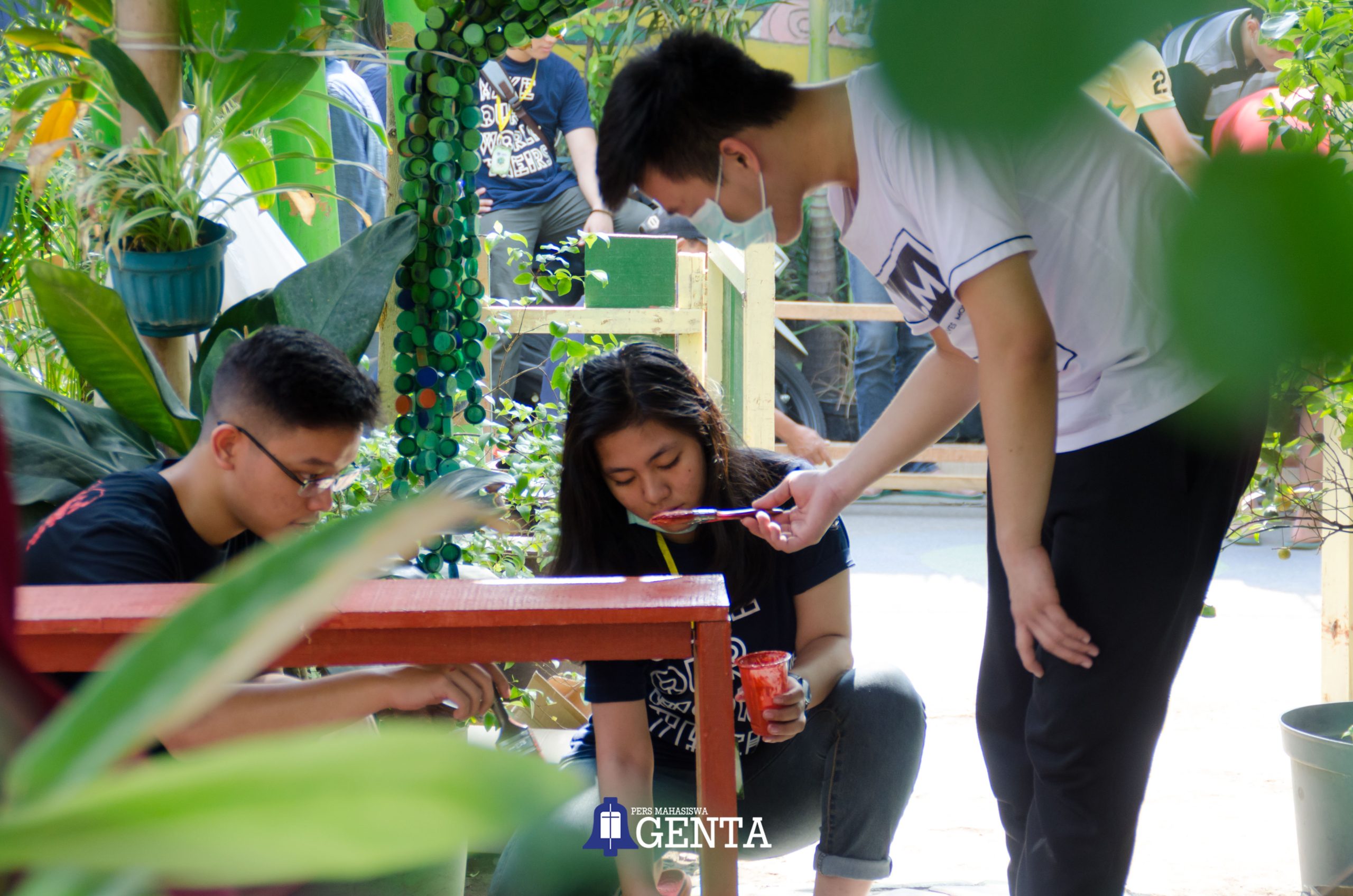
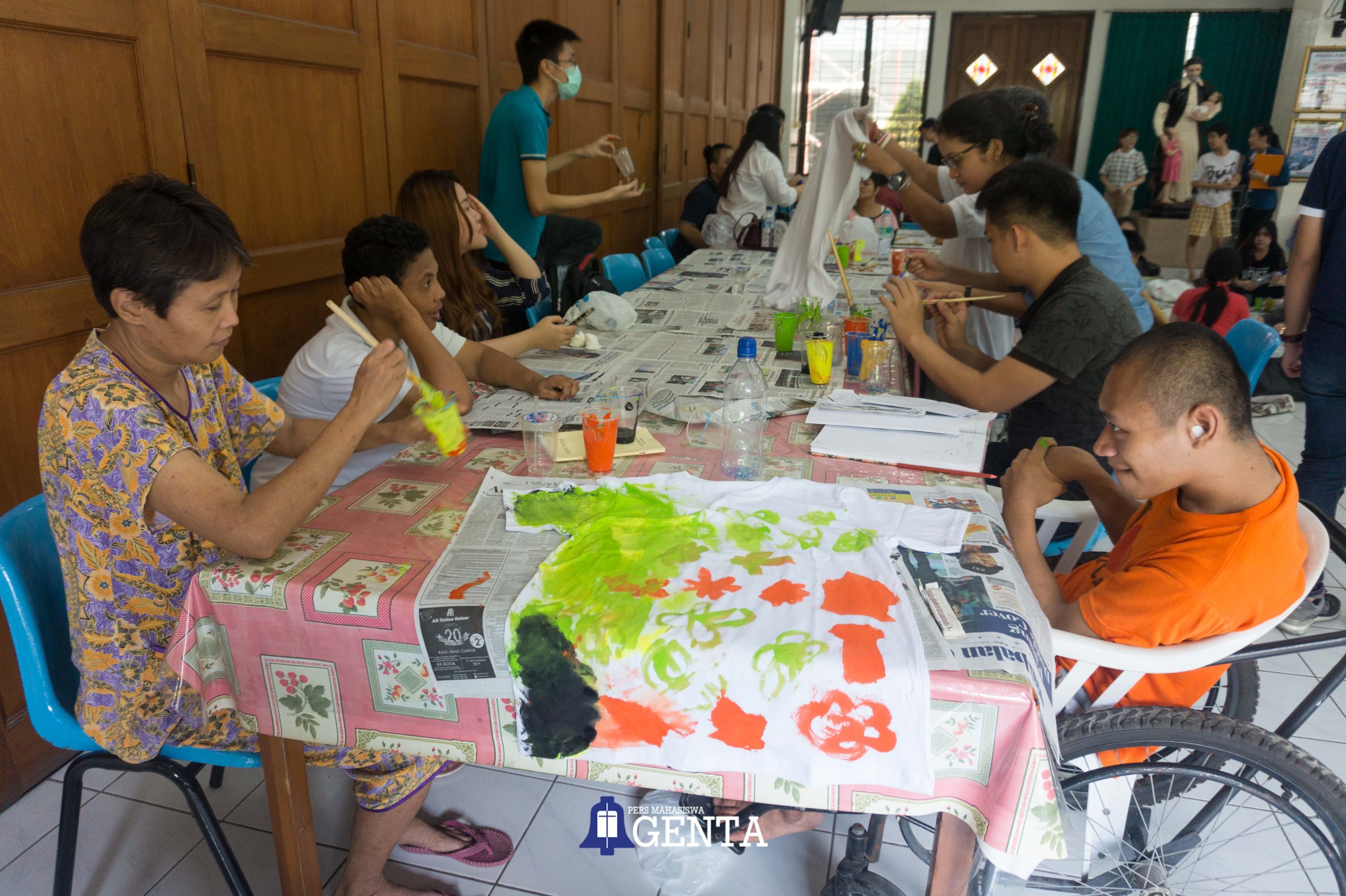
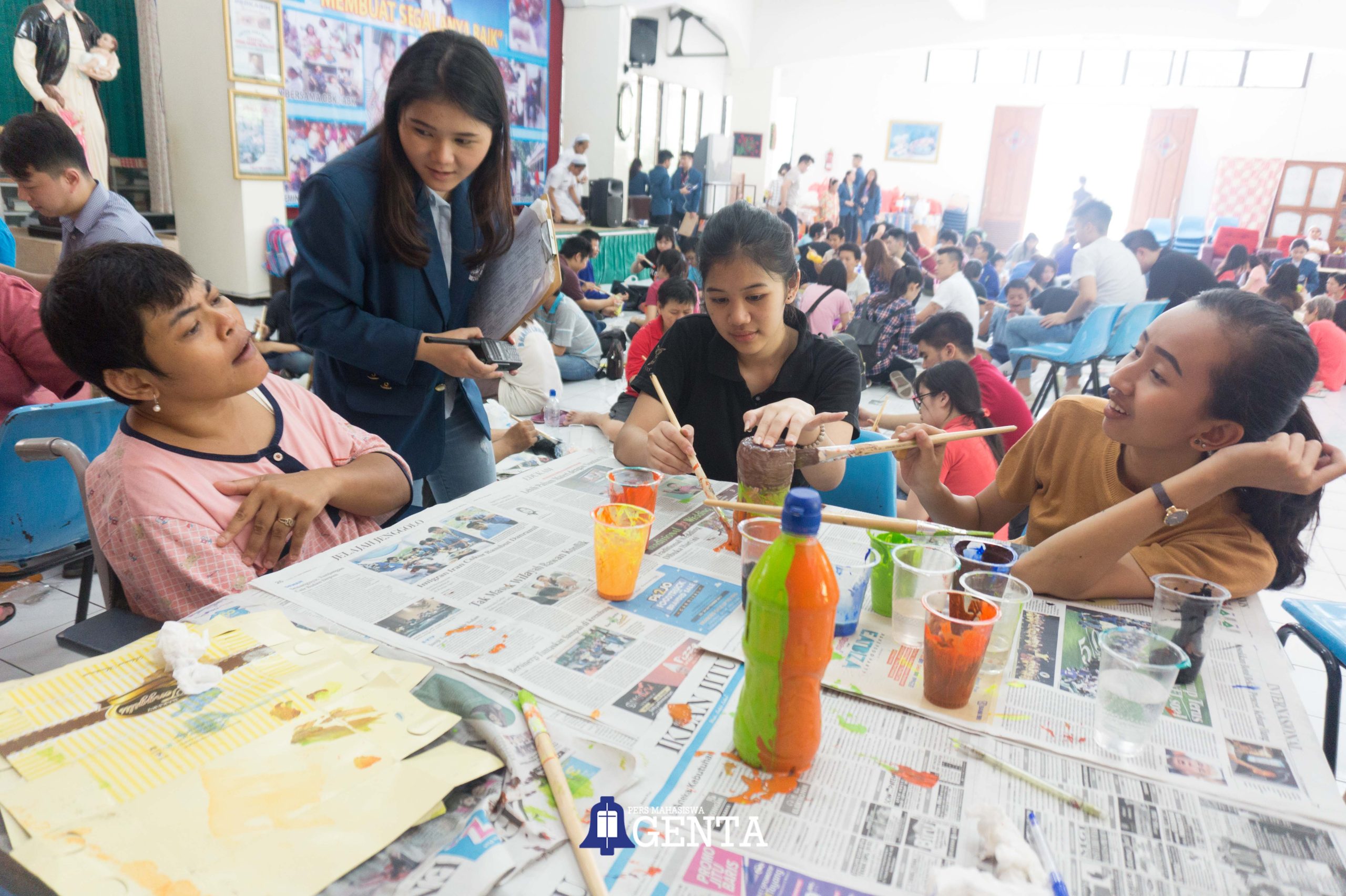
goals, and outline tasks and timelines for their projects. During the action phase, students actively participate in community service activities
according to their prepared plan. In the final step, which is the reflection phase, students
engage in reflective exercises to connect their experiences with their academic learning. They
discuss and analyze the impact of their service on the community, evaluate their personal
growth, and explore the relationship between theory and practice. After all these processes, there is an assessment. Students and instructors evaluate the
learning outcomes achieved through the SL project.